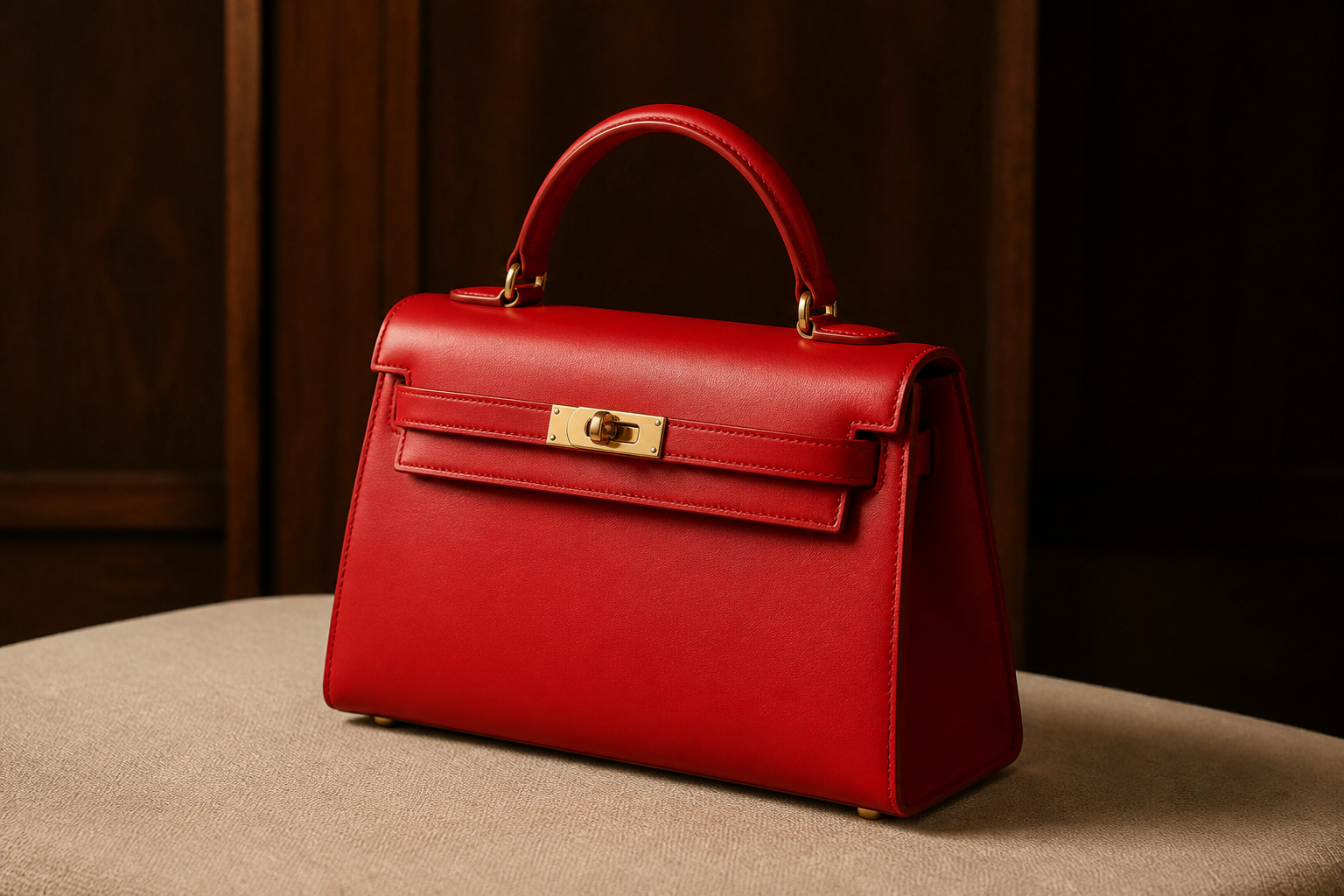
How it began
The first bag we were ever sent.
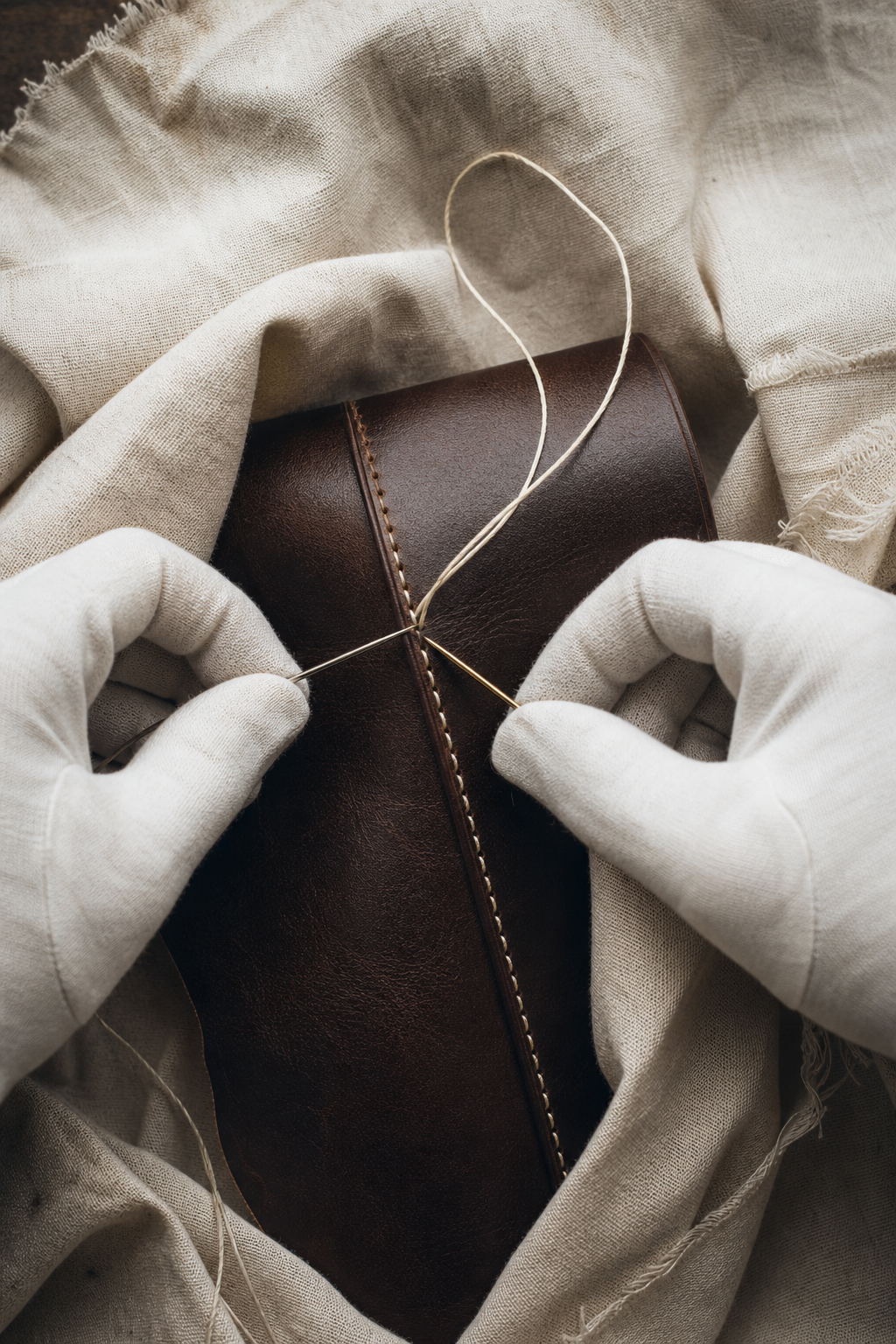
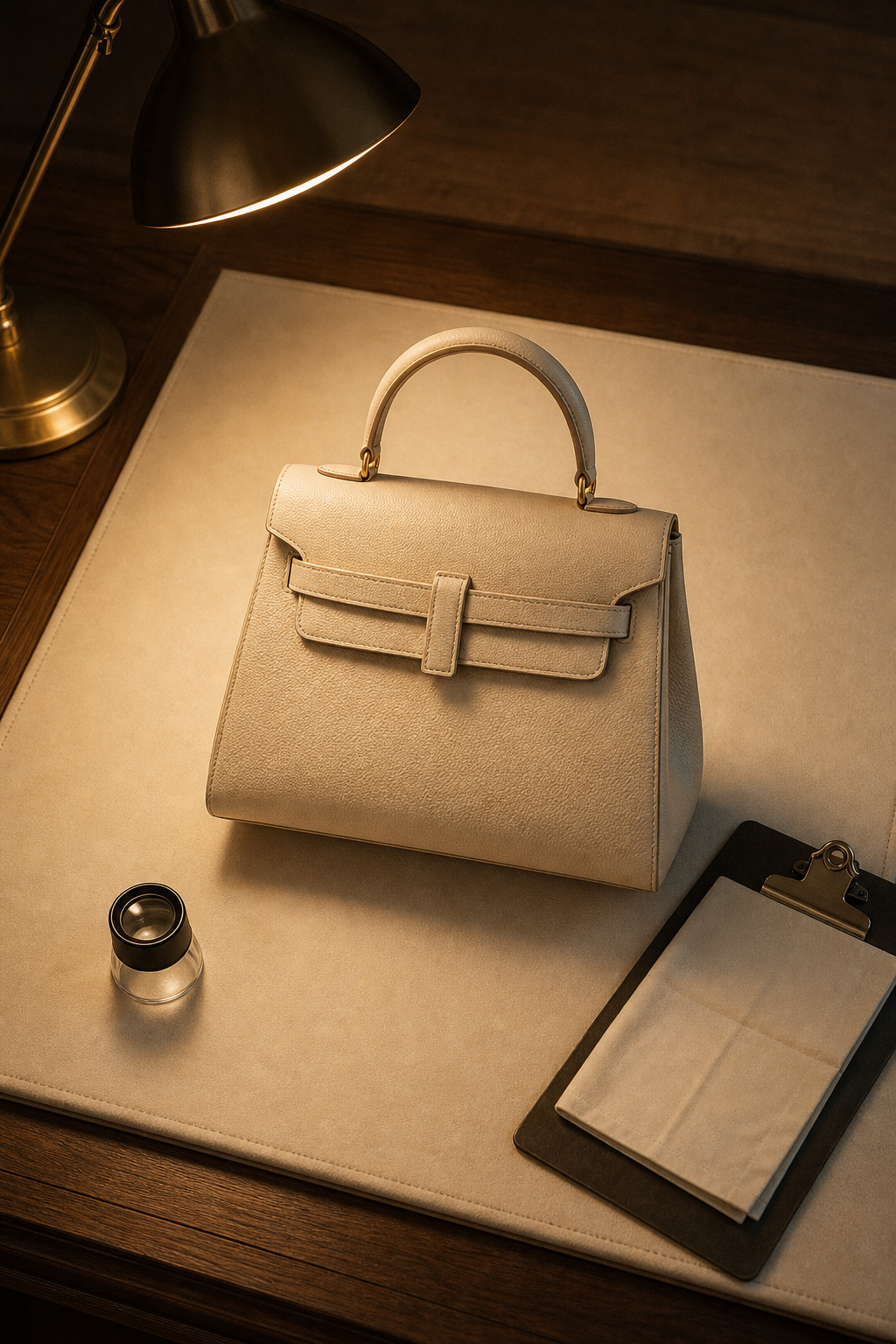
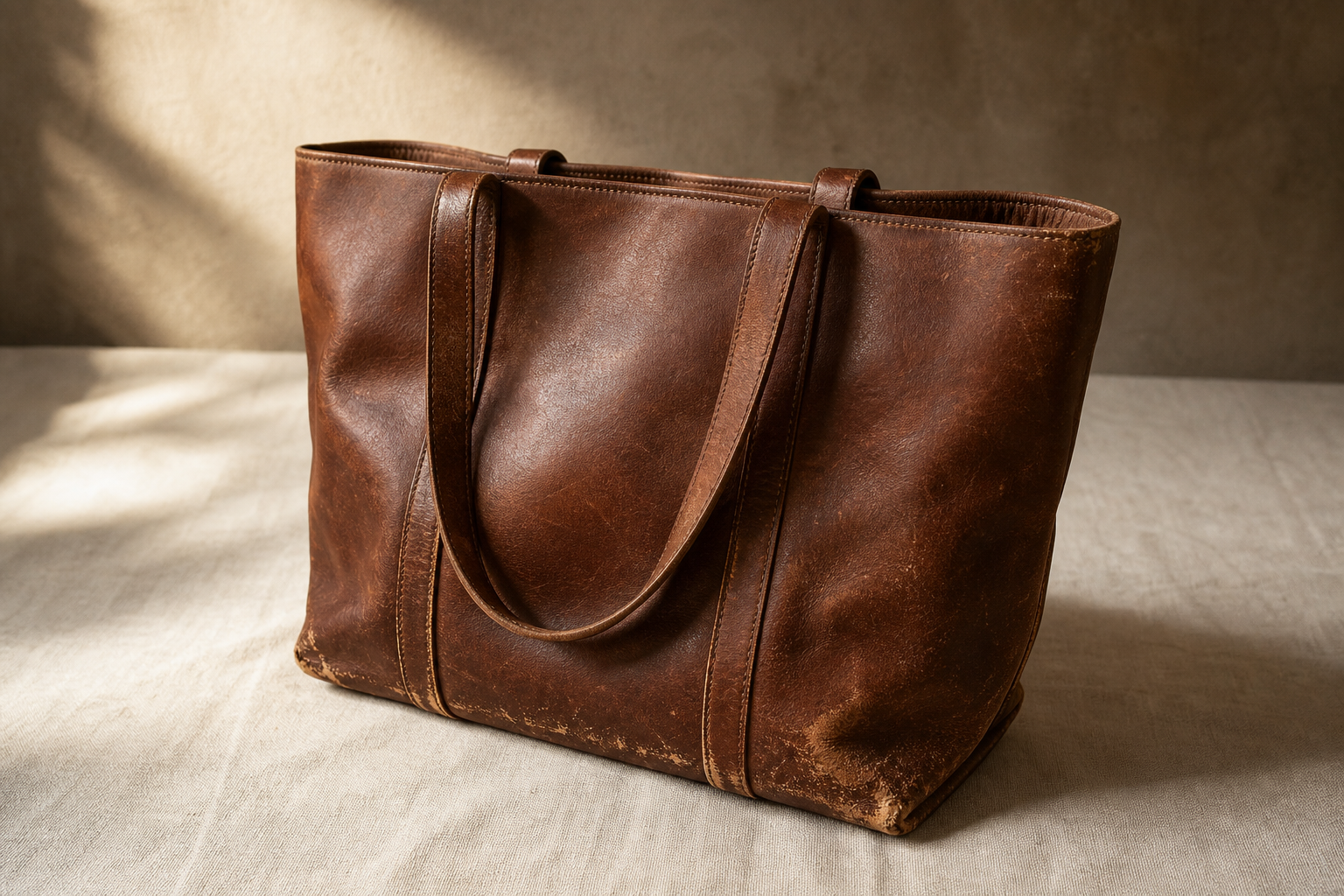
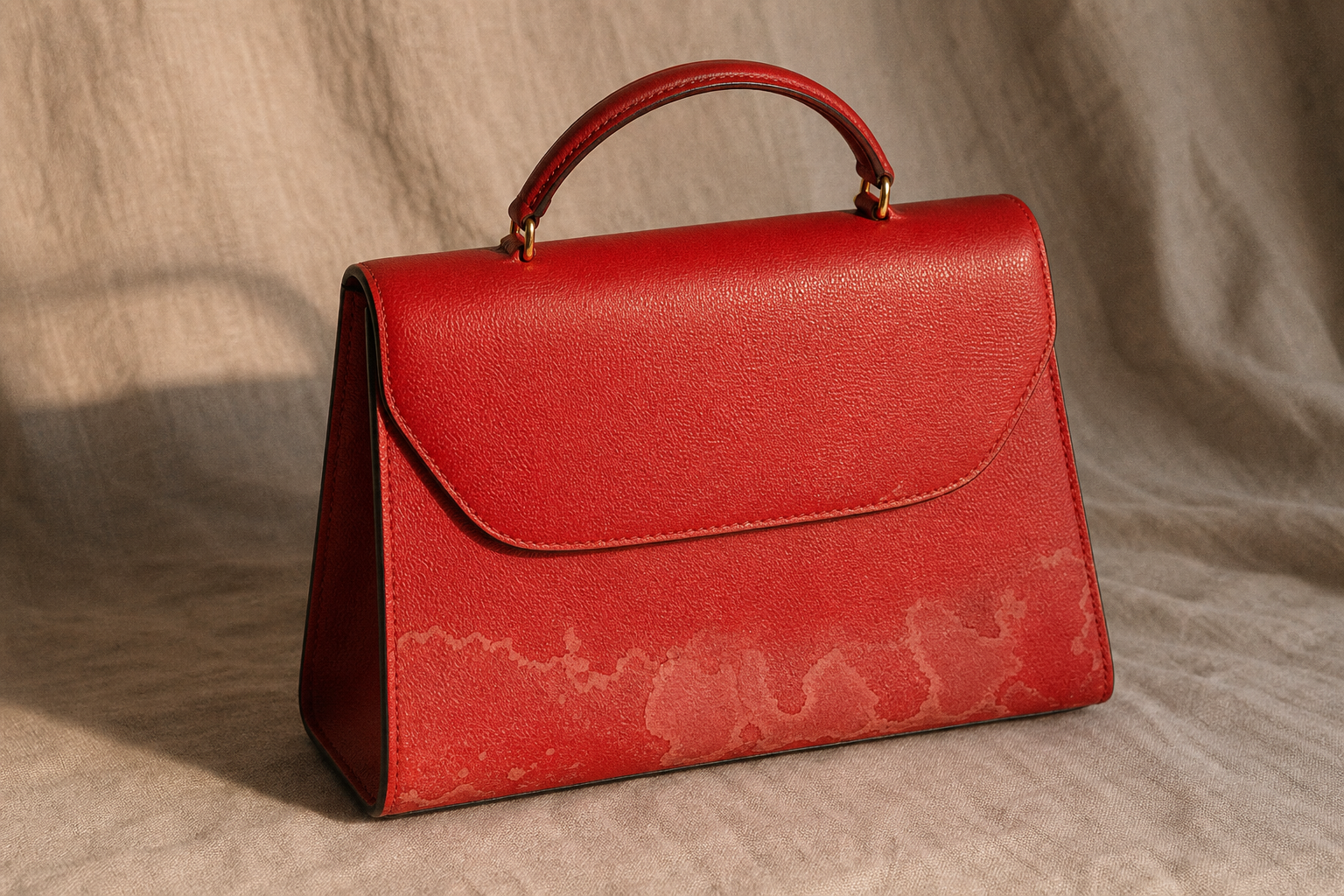
It arrived in a shoebox. A peach calf Birkin from 1985, sent by the daughter of its first owner — a woman the bag had outlived. The corner stitching was gone, the calf had whitened along the base, and the brass had clouded in the Singapore humidity. The daughter wrote: do what you can.
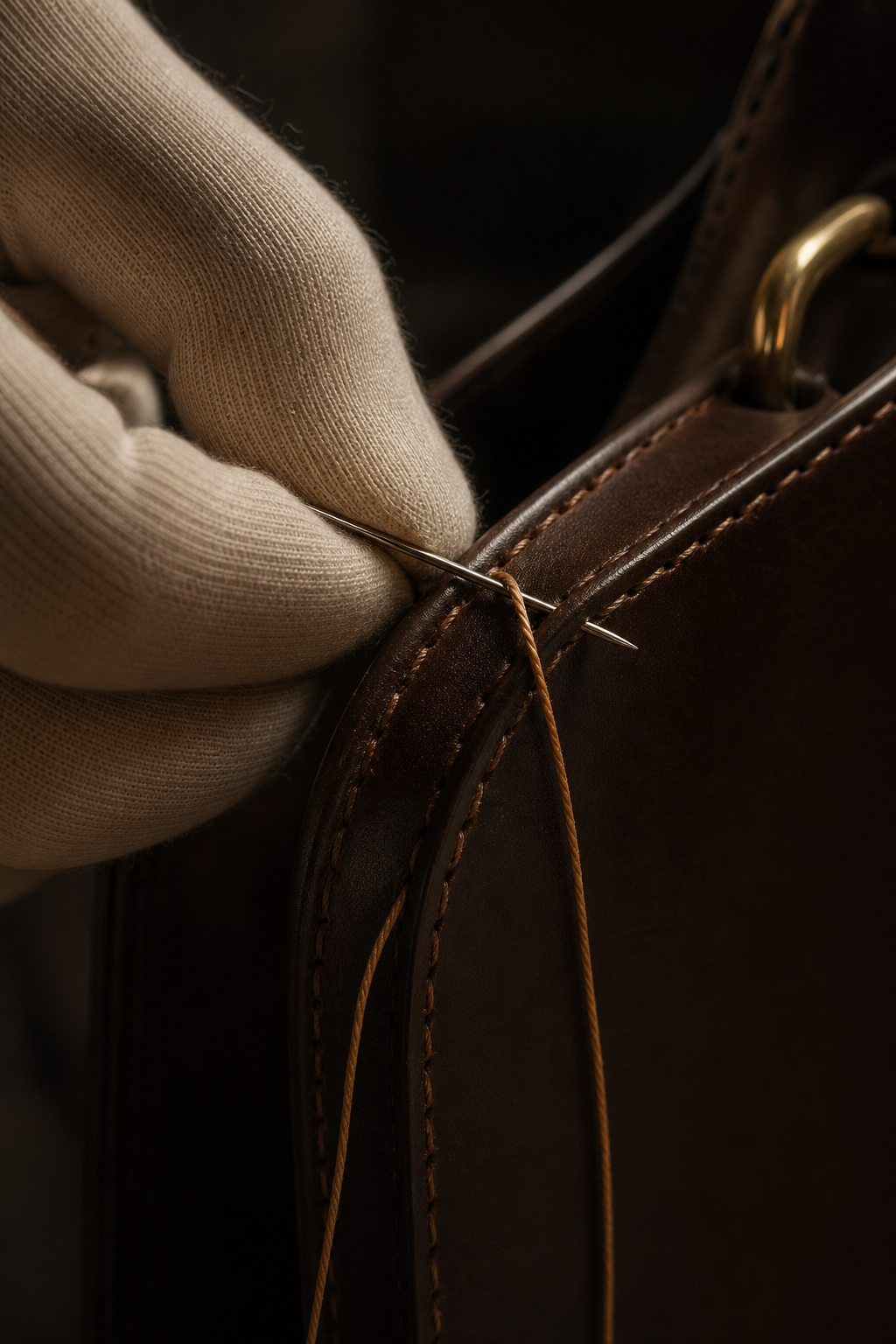
That bag took six weeks. We learned by doing — by failing, by re-mixing pigments seven times, by re-stitching twice. When we sent it back, the daughter wrote again: I think she would have approved. We have kept the letter on the wall above the diagnostic bench.
The atelier has grown since — seven craftspeople, three benches, a pigment cabinet that has outgrown two cupboards — but the discipline has not. Every bag is a single object on a single mat under a single lamp. We have never replaced the original lamp.
“Restoration is the quiet continuation of a life already in motion. We are merely the next pair of hands.”
We do not advertise. We have never run a discount. We refuse pieces that we believe should be left alone — original patina, in many cases, is the bag's most valuable asset and the restorer's first responsibility is to know when not to act. We turn away roughly one bag in twelve.
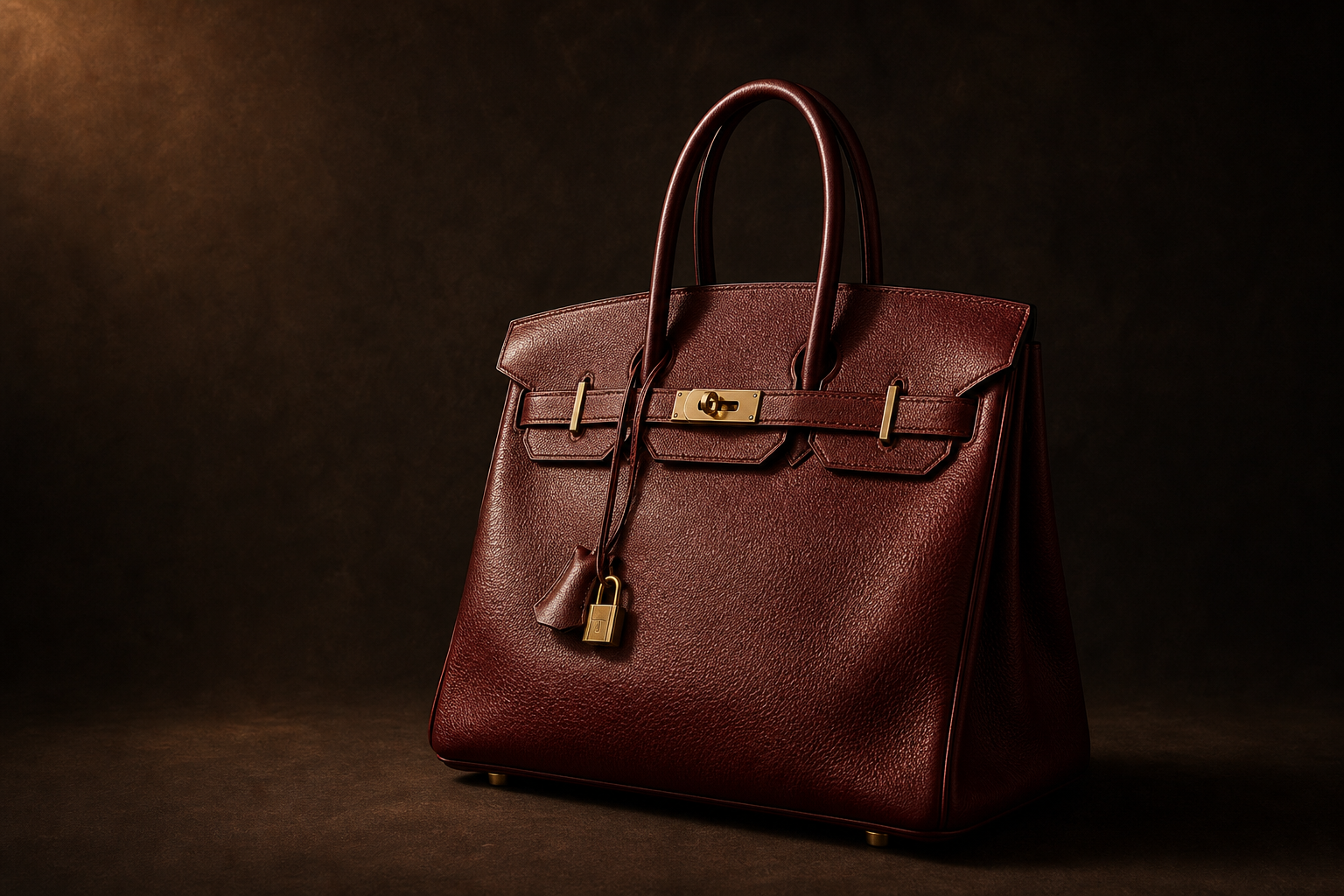
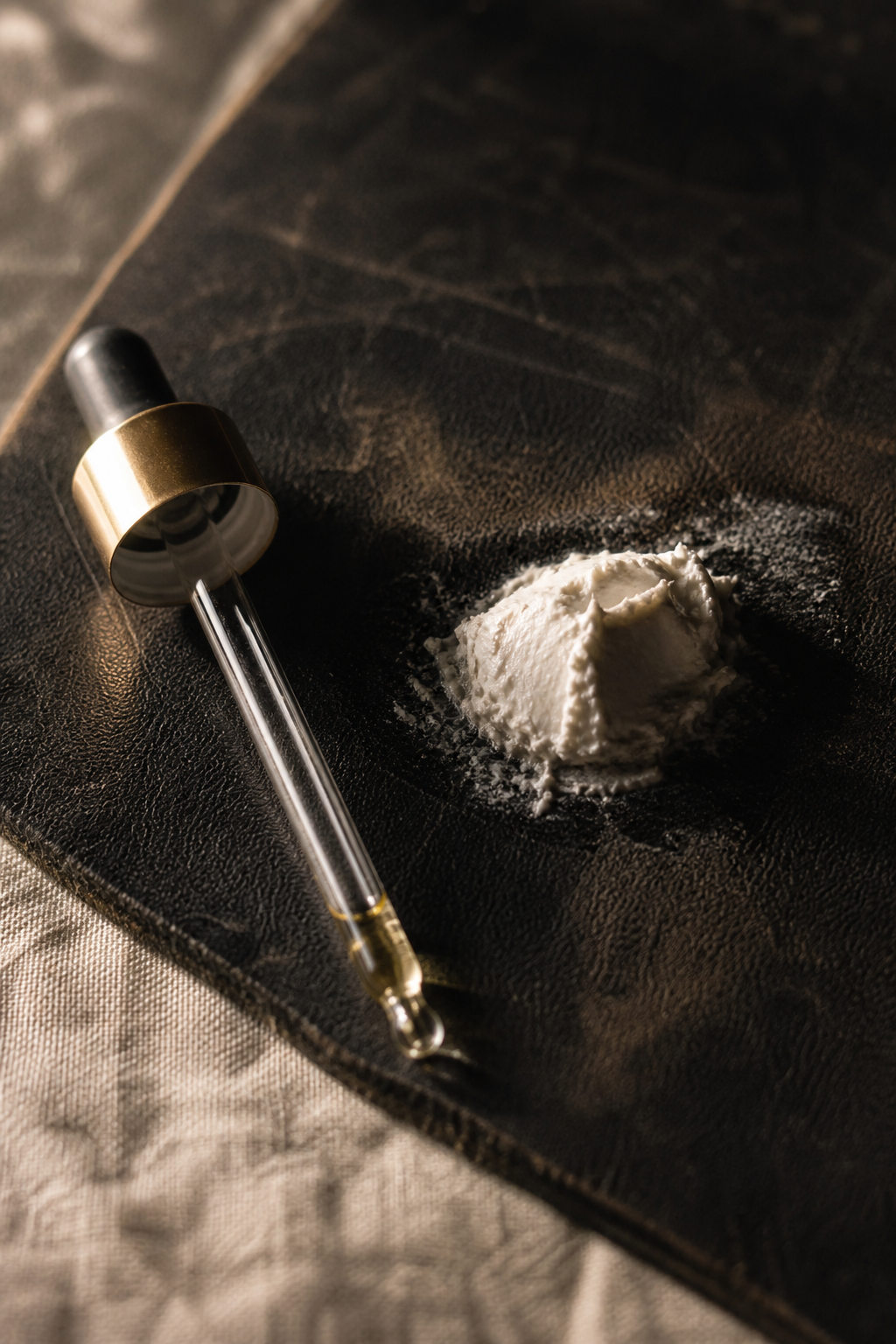
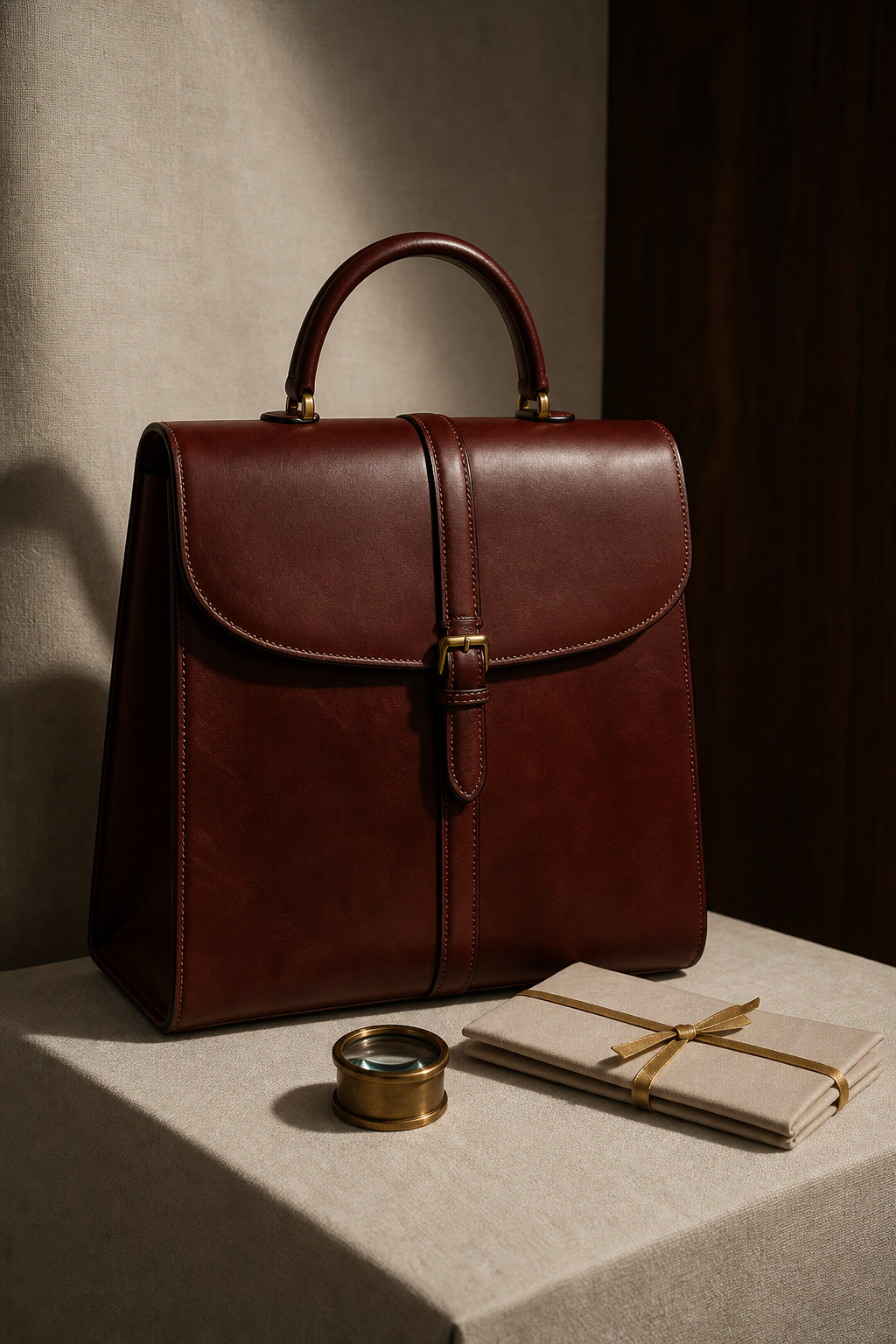
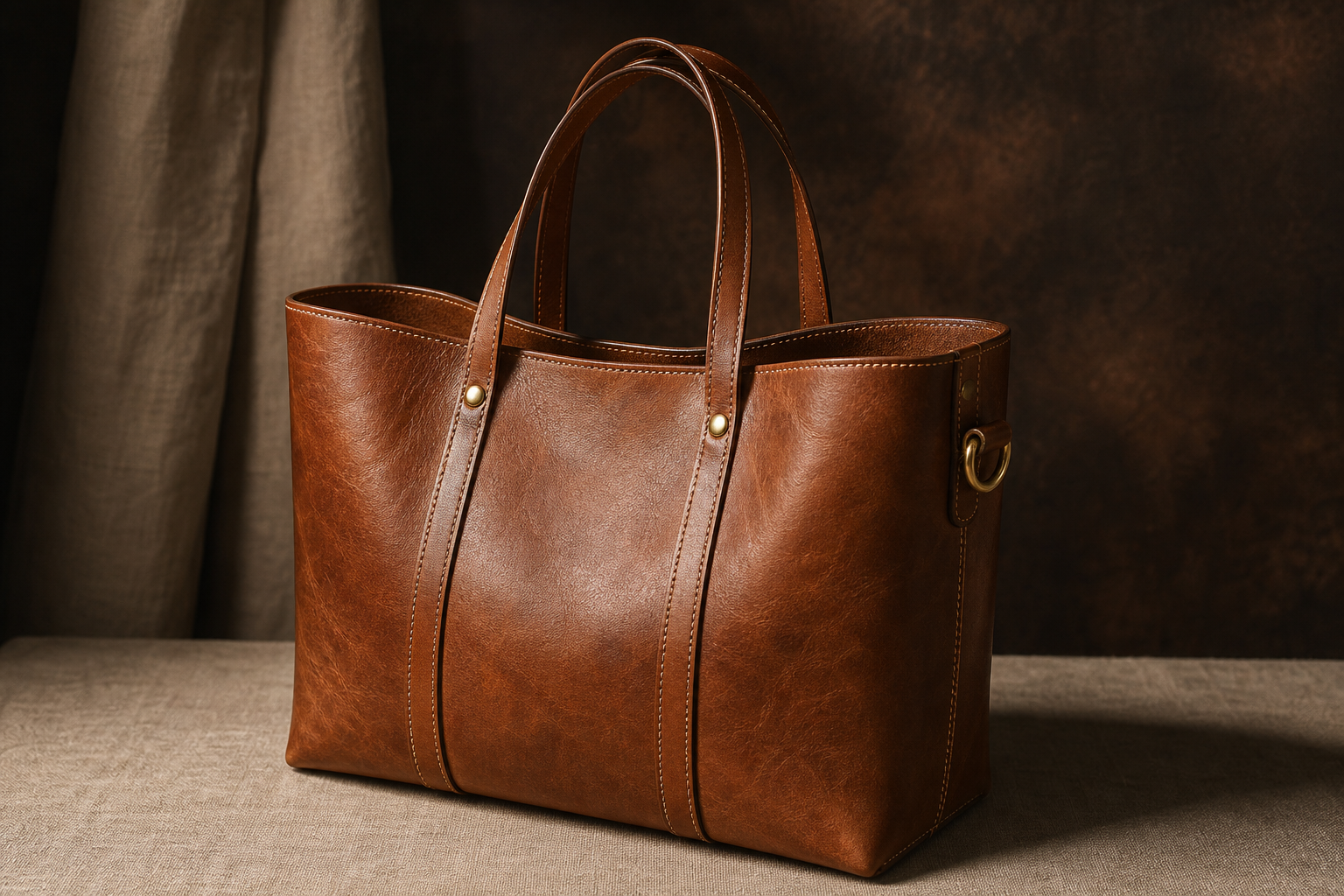
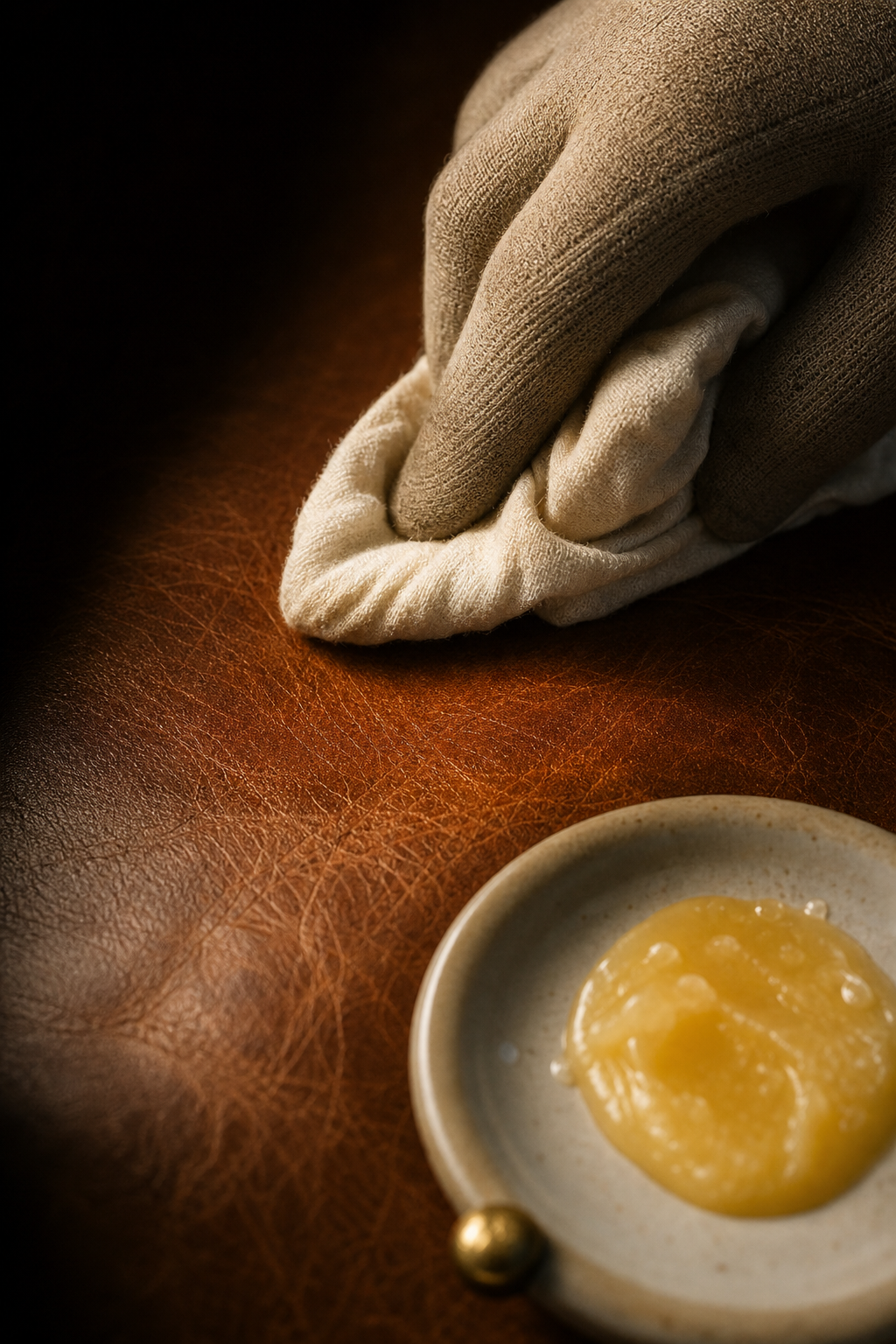 Plate 03·a — Bridle calf, conditioned